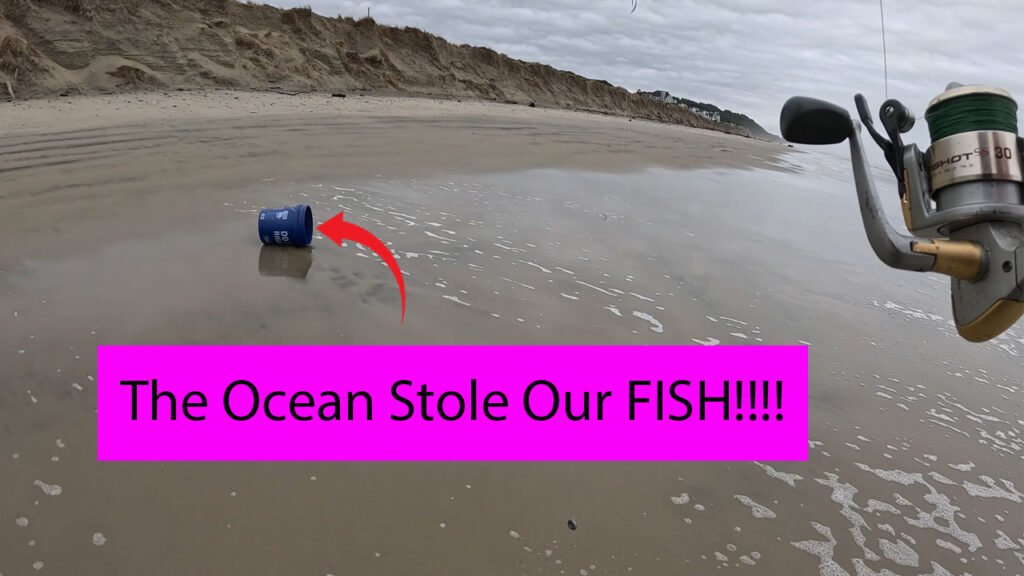
The Ocean Stole our Surf Perch
This surf perch fishing fail is exactly what it sounds like: a POV trip to the beautiful Oregon…
The Road Hunter Podcast
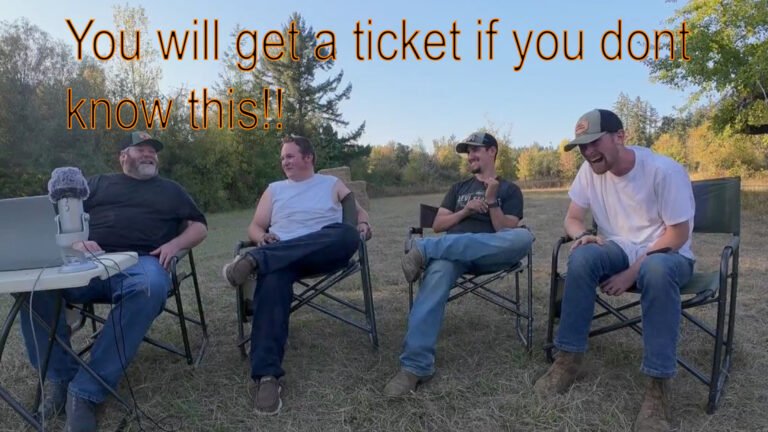
Travel Management Rules – The Good, the Bad & What You Need to Know
On this episode of The Road Hunter Podcast, we dive deep into travel management and how it affects your time in the field. Whether you’re out #scouting new areas, planning your next #deerhunting trip, or prepping for #ElkHunting season, understanding these rules can make or break your hunt. We break down the good, the ugly, and what every hunter should know about road closures, access points, and responsible use of #publicland. Perfect for anyone passionate about #hunting and the #outdoors, this discussion will help you stay informed and prepared for your next adventure.
Related: deer season prep checklist.
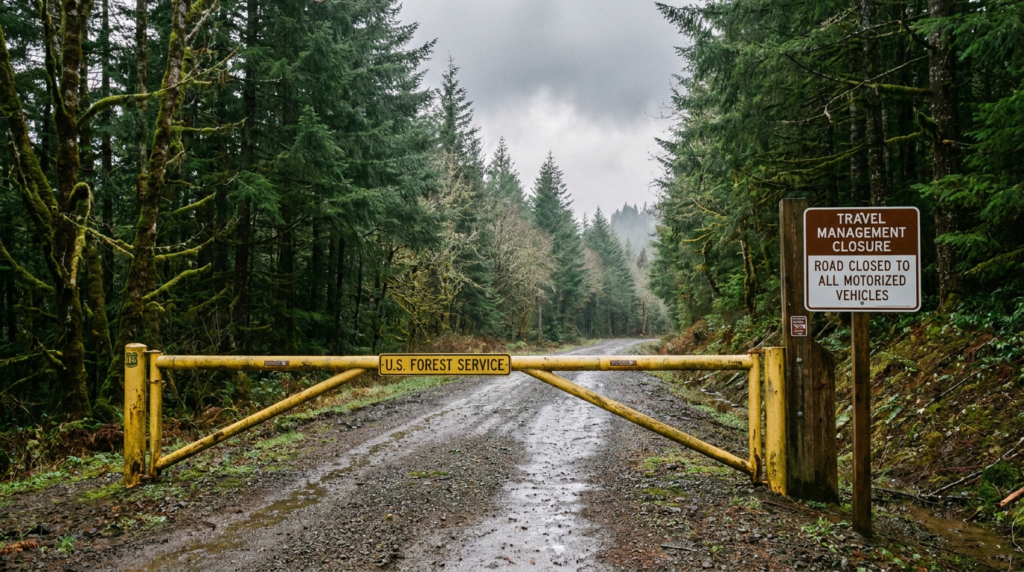
Travel management closes vehicle access on logging and timber company roads during hunting season, forcing everyone to park and walk in. The upside is real: it stops the guy who drives the middle of a clearcut you just hiked an hour to glass quietly. We’ve watched it happen: full orange, sitting in plain sight on a ridge, and a truck still drives straight through the cut and looks up at us on the way.
The rules aren’t consistent statewide. The “one hour before/after legal light” window changes by unit, the enforcement varies by officer, and what happens if you tag an animal right at that cutoff is handled “case by case”, which isn’t an answer, it’s a maybe. We know a guy who got a ticket close to the gate and still couldn’t fight it. And when timber company permits and travel management overlap on the same ground, good luck finding a clear answer on which rule actually applies.
The best explanation we’ve heard: travel management exists to keep elk pressured up in the timber instead of pushed down onto farmland, where they tear up crops. It’s plausible, we’ve watched elk concentrate on the one road that borders ag land every season, but nobody’s published the research to confirm it’s actually working, and blacktail-specific population science is thin compared to what’s out there for whitetail.
Travel management restricts motorized vehicle access on certain logging and forest roads during hunting season, typically requiring hunters to park at a gate and walk in rather than drive through.
No. Time windows and enforcement vary by unit and by the specific agreement between agencies and timber companies. Always check the rules for your specific hunting unit before the season.
Enforcement is generally handled case by case, which means there’s no guaranteed protection. Plan your hunt with enough buffer time to field dress and pack out well within the access window.
Navigate it carefully, follow the rules even when they’re frustrating, and we’ll see you out there. Thanks for listening.
More From the Blog
This surf perch fishing fail is exactly what it sounds like: a POV trip to the beautiful Oregon…
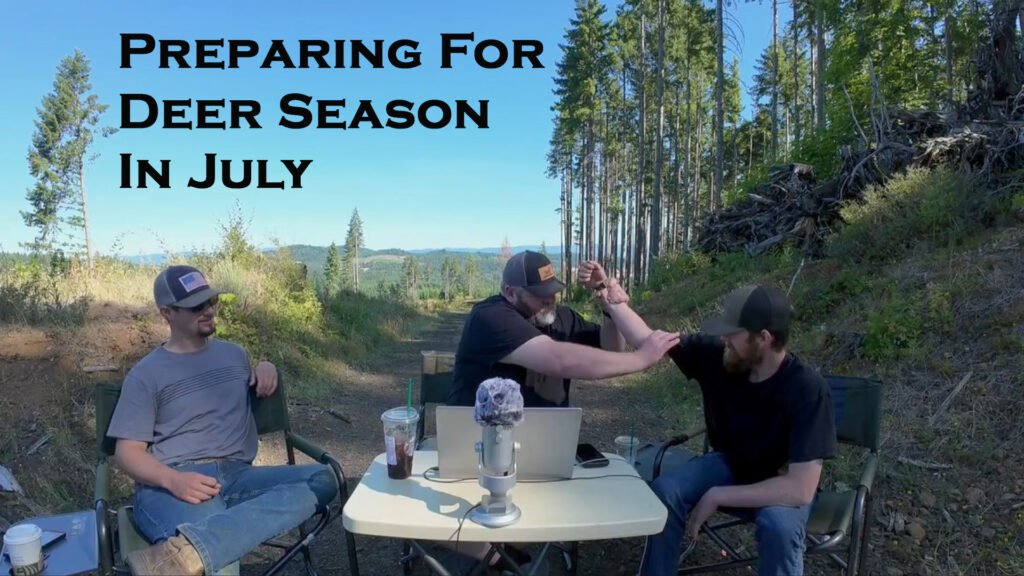
In this episode of The Road Hunter Podcast, we’re diving into what every serious hunter should be thinking…
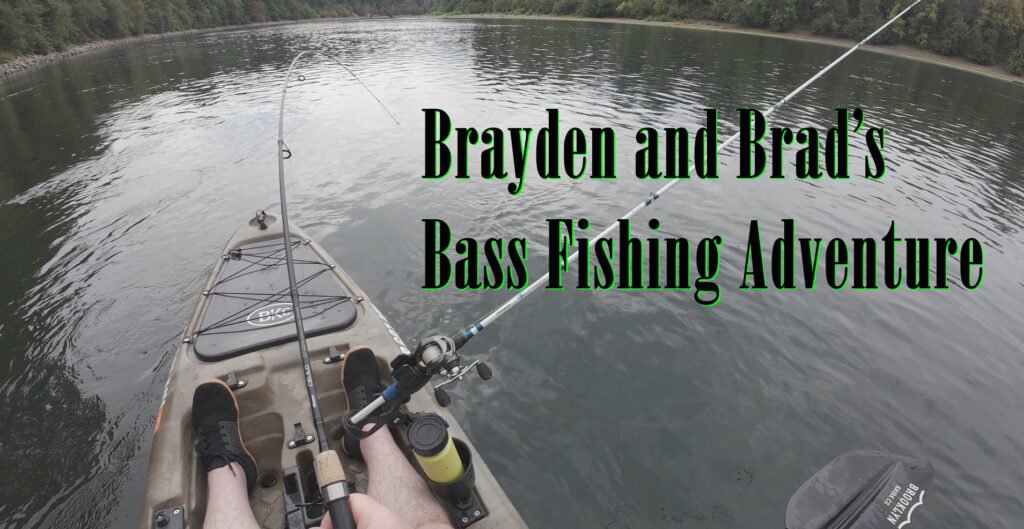
Join Brayden and Brad on this episode of the Road Hunter Podcast as we dive into our latest…