
John Berger's Recovery, and the Nonprofit He Built From It
John Berger and Fernando survived their own hard recoveries. Now they're turning Cummings Creek Retreat into a nonprofit…
The Road Hunter Podcast
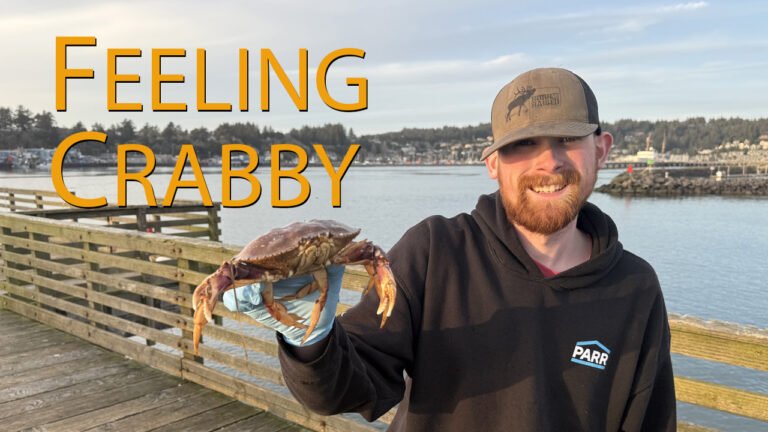
Night Crabbing Adventure: Tips, Equipment, & Where to Find Success!
Join us for an exciting night crabbing adventure! In this video, we’ll walk you through the best equipment to use, where to find the perfect crabbing spots, and how to ensure your night is a successful one. From setting up traps to choosing the right bait, we’ve got all the tips you need to catch some big ones under the stars.
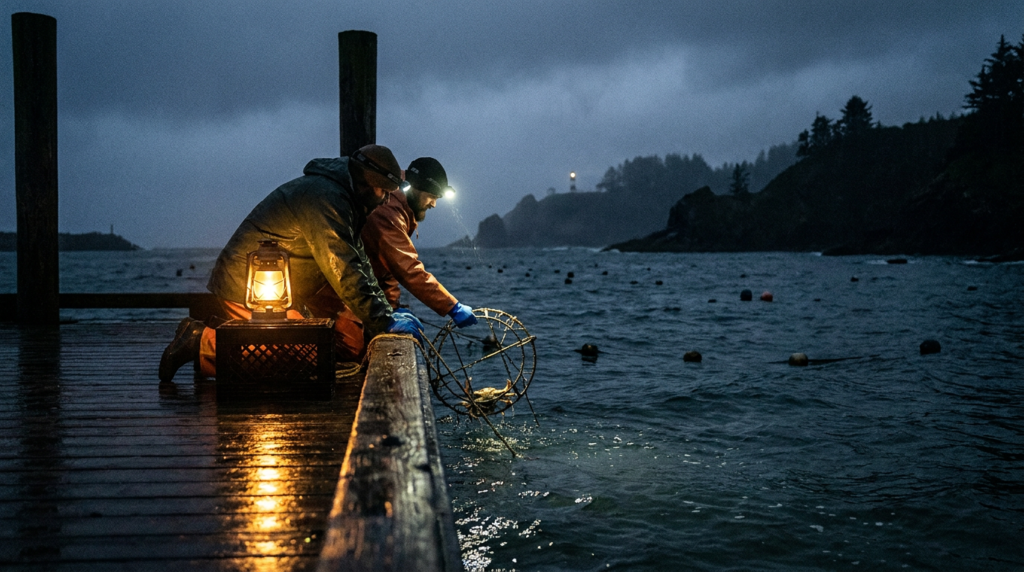
Related: escouting for fish.
Whether you’re a seasoned pro or a newbie looking to try night crabbing for the first time, this video has everything you need to know! Grab your gear, hit the water, and let’s go crabbing!
🦀 What’s Inside the Video:
The best crabbing gear and equipment
Top locations for night crabbing
Expert tips for attracting crabs and maximizing your catch
A fun night out on the water with friends!
Don’t forget to like, comment, and subscribe for more crabbing tips and adventures! 🌊🐚
Metal-framed traps can soak 30-45 minutes or longer with minimal attention. Wire-mesh rings need pulling roughly every 20 minutes since crabs can walk back out once the bait scent fades. Pole-mounted snares are the most active option: cast, let crabs grab on, and the loop cinches as you reel, producing fast, repeated action in short sessions of 5-10 minutes per pull.
The best crabbing window is the slack tide, that hour or so when water isn’t actively moving in or out between high and low tide. A small tidal swing (like a 2-foot change) extends that productive window significantly; a big swing means ripping current that drags traps and fouls bait boxes with seaweed. Avoid crabbing right after heavy rain too: freshwater runoff drops salinity and pushes crabs toward saltier water.
Dungeness: males only, 5¾-inch minimum, 12 per person per day. Rock crab: either sex, any size, 24 per person per day. Sex is easy to tell at a glance, females have a wide abdominal flap, males a narrow one, and the legal measuring tool typically has both the gauge and the male/female diagram printed right on it.
The slack tide window between high and low tide, when water movement is minimal, produces the most consistent results. Avoid crabbing during large tidal swings or right after heavy rainfall.
Flip the crab over and look at the abdominal flap on the underside. Females have a noticeably wider flap; males have a narrower one. Oregon regulations require keeping only male Dungeness crab.
Twenty crab and a couple pounds of meat for one night out: thanks for watching, and we’ll catch you next time.
More From the Blog

John Berger and Fernando survived their own hard recoveries. Now they're turning Cummings Creek Retreat into a nonprofit…
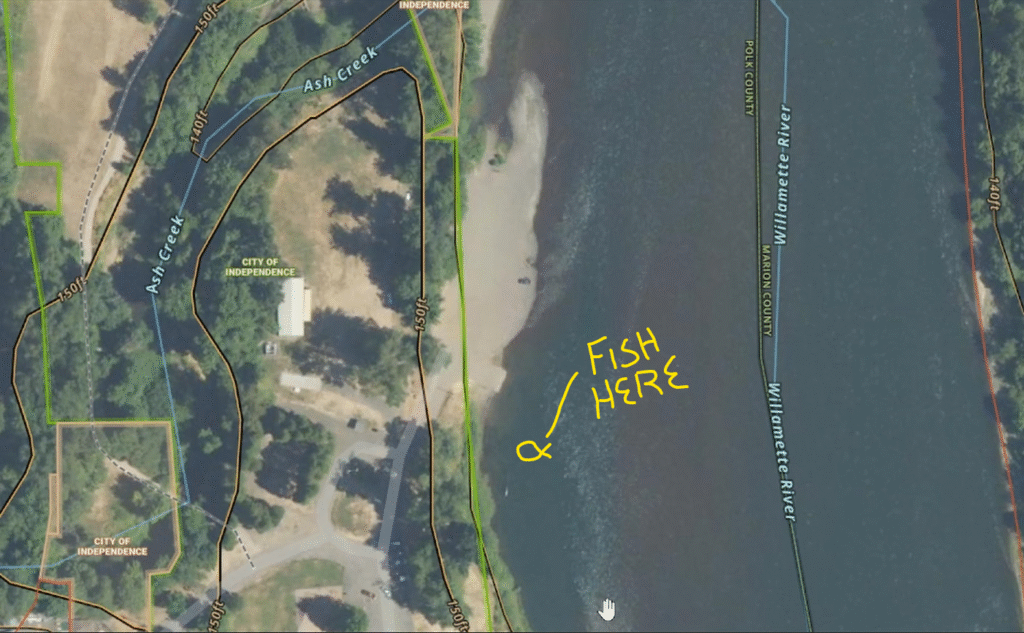
In this episode of The Road Hunter Podcast, we’re diving into the digital side of fishing: eScouting. Learn…

In this episode of the Road Hunter Podcast, we dive into our very first spring turkey season: the…