
Opening Weekend Deer Season in Oregon's Coast Range
Our real October plan to put a Coast Range blacktail on the ground: where to find deer, how…
Articles
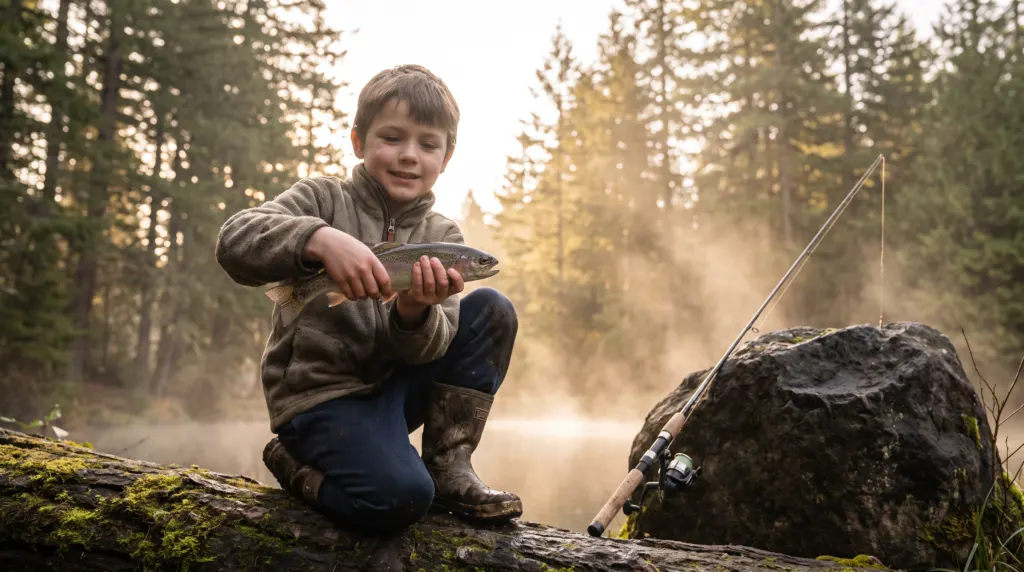
If you’re brand new to fishing in Oregon and just want to know where you can actually catch something without a boat, a guide, or ten years of local knowledge, this is the guide I wish someone had handed me before I spent three straight years catching nothing.
Yeah. Three years. Tag soup, but for fish.
Here’s the short version: follow the stocking schedule, and go where the stocking schedule tells you. Everything else in this article is just details on top of that one idea. Let’s get into it.
Oregon Department of Fish and Wildlife (ODFW) stocks lakes, ponds, and reservoirs with trout every week, statewide. Used to be you could look up the exact day the stocking truck showed up and camp out at the boat ramp. ODFW caught onto that a couple years back and now only publishes the week a body of water gets stocked, not the day. Doesn’t matter. A week-old window of “the fish are definitely in here right now” beats blind guessing every single time.
Search “Oregon fish stocking schedule” and you’ll land on ODFW’s fishing page, which links the current weekly stocking report. It lists every lake, pond, and reservoir getting hit that week and roughly how many fish are going in. That number matters. A pond that just got 1,300 legal trout dumped in it is a completely different pond than it was the week before.
This is the actual answer to “how do I get started fishing in Oregon”: stop picking a spot because it’s close or because you’ve heard of it, and start picking a spot because ODFW just filled it with fish.
One rule to know before you go: in Oregon, winter and early spring trout fishing is restricted to lakes, ponds, and reservoirs, not streams and rivers (those open later in the season, check current regs). The Willamette itself is fishable for steelhead, salmon, and bass depending on season, just not trout in the same window. Don’t show up to a river in February expecting trout.
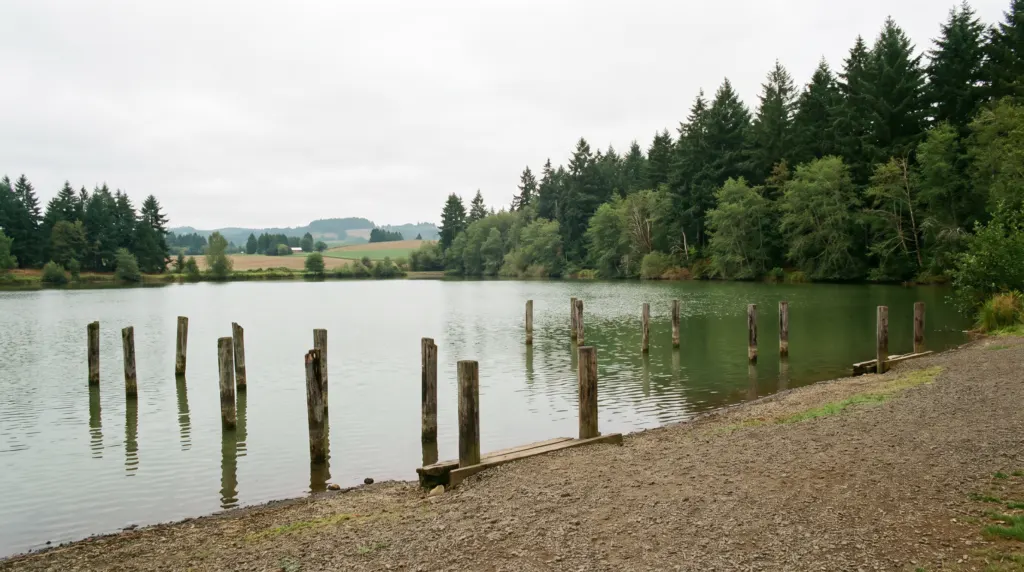
Everybody already knows about Hagg Lake. Here’s where the actual beginner success is happening, and almost nobody talks about it because it’s not glamorous:
One honest piece of advice: skip the ponds that sit inside city limits right off a busy road. It’s not that the fishing’s worse, it’s just not a relaxing time. Stick to the small-town and rural ponds on this list and you’ll have a better afternoon.
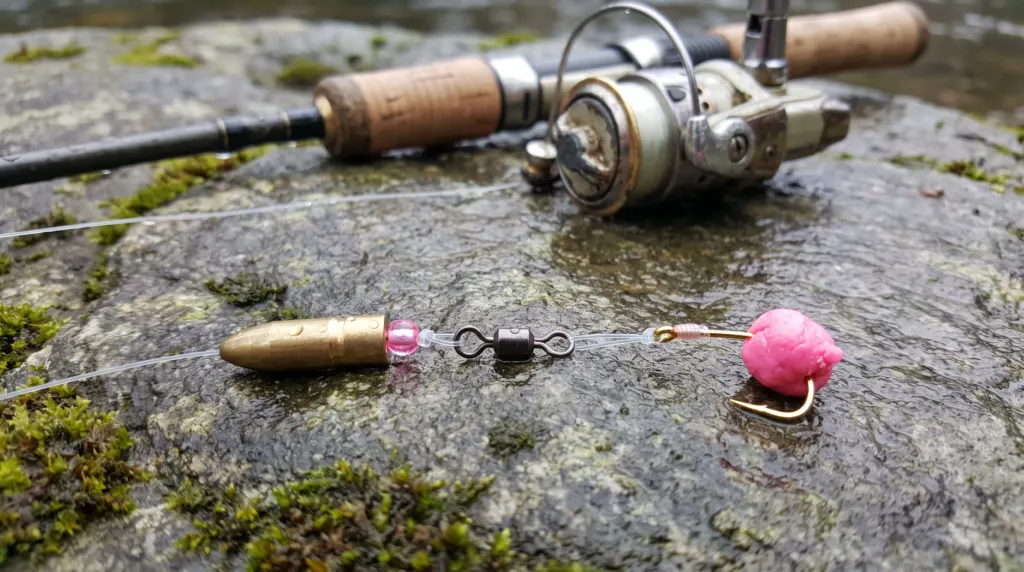
You do not need $400 in gear to catch a stocked trout. Here’s the cheap setup that works.
Once stocked-pond trout starts feeling easy, the next skill is figuring out where fish sit in moving water, reading seams, current breaks, and depth transitions before you ever wet a line. We wrote the whole method up here: E-Scouting for Hunters and Anglers: The Complete OnX and Google Earth Guide. Same idea we use for scouting deer, applied to water instead of timber.
If bass fishing sounds more your speed once you’ve got trout dialed in, we broke down exactly where we’ve found smallmouth and largemouth on the Willamette here: Willamette River Bass Fishing Guide.
And if you’re fishing public ponds and reservoirs, it’s worth knowing the access rules before you go. We cover the real frustrations and fine print here: Travel Management Rules – The Good, the Bad & What You Need to Know.
No. Most of the ponds on this list (E.E. Wilson, Sheridan, Willamina, St. Louis, Junction City) are shore-fishable and don’t need a boat at all. Hagg Lake and Detroit Lake are more enjoyable with one, but not required.
You need a valid Oregon fishing license, and depending on the water, a combined angling tag may apply. Check current requirements and prices directly on ODFW’s site before you go, regulations change.
Generally no. Early-season trout regs typically restrict you to lakes, ponds, and reservoirs, not streams and rivers. Always check the current year’s trout regulations, since these dates and rules shift.
A Carolina rig with power bait or salmon eggs, fished sit-and-wait style. It requires almost no skill to cast and the sliding weight does most of the work of hooking the fish for you.
Search “Oregon fish stocking schedule” and check ODFW’s current weekly report. It lists the water, the week, and roughly how many legal fish went in.
Happens to everyone, us included, more than once. Wrong bait, wrong depth, wrong time of day, or you just picked the one week reporting lagged. Change color, change depth, and if nothing’s happening after 20 minutes in one spot, move.
Get out there, find a pond that just got stocked, and go catch something. It doesn’t have to be pretty. We went three years without a single fish before we figured any of this out, and now we can’t stop talking about it.
Thanks for reading. Grab a cup of Lost Hiker or Road Hunter coffee, get outside, and for all of you headed to the pond who are going to strike out anyway: we tip our hat to you. That’s just how we do it here at Failed Outdoors.
More From the Blog
Our real October plan to put a Coast Range blacktail on the ground: where to find deer, how…
Upland bird hunting in the Oregon Coast Range means one bird more than any other: grouse. Here’s the…
Willamette River bass fishing is one of the most underrated fishing opportunities in Oregon. If you Google “Oregon…