
How to Read Coast Range Ground for Blacktail Food
Stop scouting deer sign backwards. Learn to read stand age, seasonal browse, and feeding sign to predict where…
Articles
Western Oregon’s general rifle season opened October 3, and it runs through November 6, five full weekends to fill a tag. If opening weekend already came and went without a deer in the truck, that’s not a problem, that’s most of us. This is the actual plan we’re running this October to put a Coast Range blacktail on the ground: where we’re looking, how we’re dealing with the opening-weekend crowd, and what we do differently once the first real rain hits.
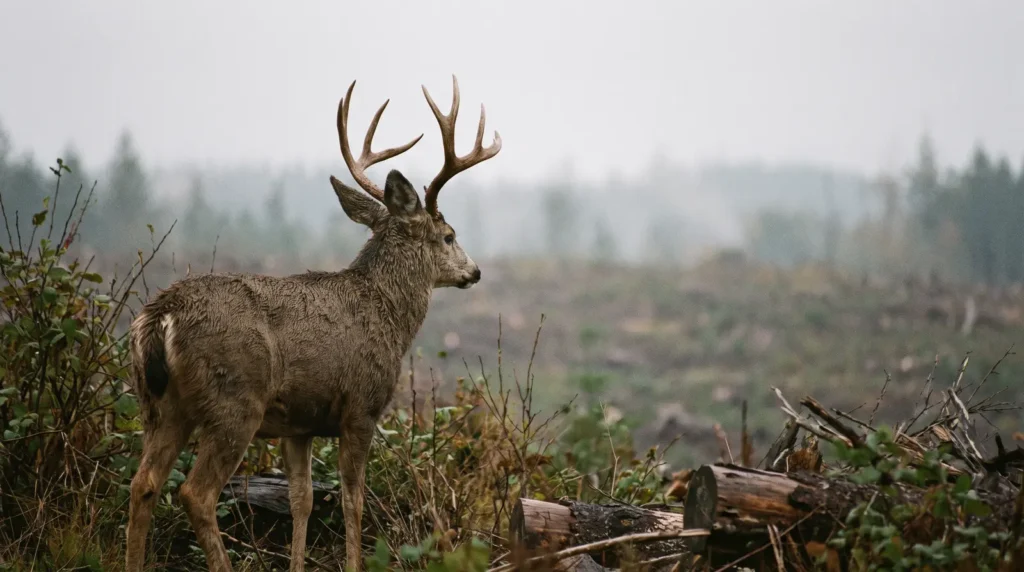
The first couple days of Western Oregon’s general season put more hunters in the woods than any other stretch of the five-week run. That pressure does something predictable: deer that were feeding openly in clearcuts at first light on day one are tucked into heavier cover by day three. If you’re reading this after opening weekend, you’re not behind, you’re hunting smarter pressured deer, which is a different game than hunting naive ones. The strategy below works for both, it just shifts which parts matter most as the season goes on.
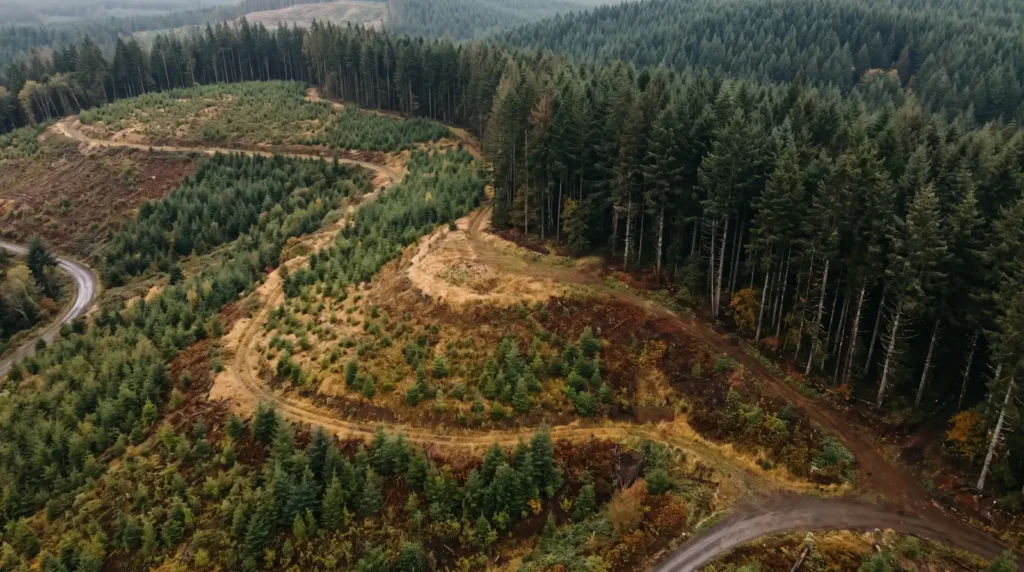
Early October sits in a transition window. Summer’s food is thinning out, fall’s isn’t fully in yet, and the rut hasn’t started pushing bucks to move carelessly. That means deer are still keyed to food more than anything else, the same stand-age and seasonal food logic we’ve written about applies directly right now. Clearcuts in that two-to-ten-year window are still the bread and butter. If you haven’t actually learned to break a clearcut down into its six focal points instead of just glancing at the whole hillside, that skill matters more during peak pressure than almost anything else you can do.
Beyond the cut itself, prioritize:
For the full rundown on why blacktail hold where they do, our blacktail deer hunting guide is the starting point if you haven’t read it yet.
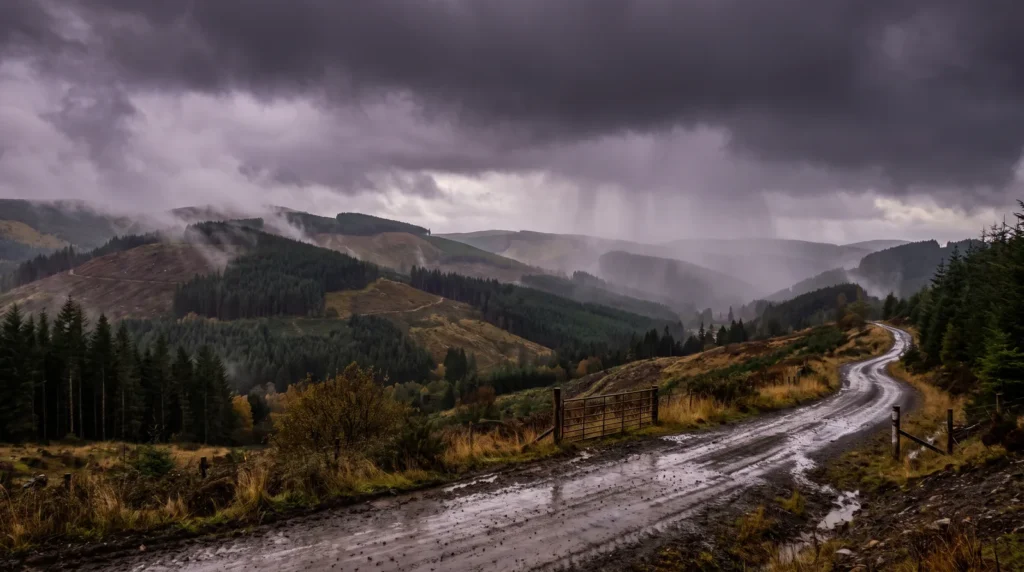
Coast Range October usually starts dry-ish and ends wet. That shift matters. A dry opening weekend tends to hold deer tight to cover and moving mostly at dawn and dusk, same as hot weather does earlier in the year. Once the first real rain front comes through, deer get more comfortable moving in daylight, rain muffles noise and scent carries differently, and a lot of experienced hunters will tell you the first good soaking rain of the season is worth more than a calm bluebird morning. Check the National Weather Service forecast each week and weight your effort toward the days right before and during a front, not just the easy, dry Saturday.
Here’s an honest opinion: road hunters who drive from pullout to pullout without ever actually scouting are the single biggest reason opening weekend gets a bad reputation. They roll up, glass for ninety seconds, see nothing, and move on, and in the process they blow deer out of good glassing spots for everyone else on the road. You don’t have to out-hunt the crowd, you just have to not be part of it.
The fix is doing your homework before you ever leave the truck. Pull up your units on OnX or Google Earth ahead of time and look for cuts that require a short walk instead of a pullout view, that alone filters out most of the pressure. A quarter mile off the road is often enough to put real distance between you and everyone else working the same unit.
Keep it simple. Here’s the two-day framework we’re running:
The goal isn’t a perfect plan, it’s a plan you’ll actually stick to for five straight weekends instead of burning out after one slow morning.
If you did your scouting back in July, you’re already ahead, our mid-summer prep rundown covers the legwork that actually pays off by October. If you didn’t, it’s not too late to spend an evening checking tire pressure, re-zeroing a rifle, and making sure your optics are actually clean. None of this needs to be expensive. A mid-range pair of binoculars and a rangefinder you trust will do more for your success rate than anything else in the truck.
Opening weekend a couple years back, we hit our usual spot at first light and found three other trucks already parked at the pullout. Should’ve, would’ve, could’ve scouted a backup. We ended up walking a quarter mile past the last truck into a cut nobody else had bothered to check because it wasn’t visible from the road, and found a buck bedded in the shaded edge inside twenty minutes. Didn’t get a shot that morning, but it confirmed the whole point of this article: the crowd self-selects for laziness, and the deer know it.
October 3, 2026, running through November 6. It’s a five-week season for one buck with visible antlers in units 10 through 30.
Clearcuts in the two-to-ten-year age range, the shaded inside edges of timber bordering those cuts, benches and saddles connecting cover, and any reliable water source as creeks thin out in early fall.
Generally helps once it actually arrives. Rain tends to get deer moving more comfortably in daylight, dry weather pushes them toward dawn and dusk movement only.
Scout ahead of time and prioritize spots that require a short walk instead of a roadside pullout. Most pressure stays within easy sight of the road.
It’s the least-pressured window of the season, but deer adapt fast. If you missed it, the same strategy still works, it just shifts toward hunting pressured deer in heavier cover instead of naive ones in the open.
A rifle you’ve actually re-zeroed this season, a rangefinder you trust, and a mid-range pair of binoculars. None of it needs to be expensive to work.
Five weekends, one tag, and a plan simple enough to actually run every single one of them. Scout the quiet spots, work the shade and the edges, and let the rain do some of the work for you once it shows up. Get out there, and we’ll see you in the next one.
More From the Blog
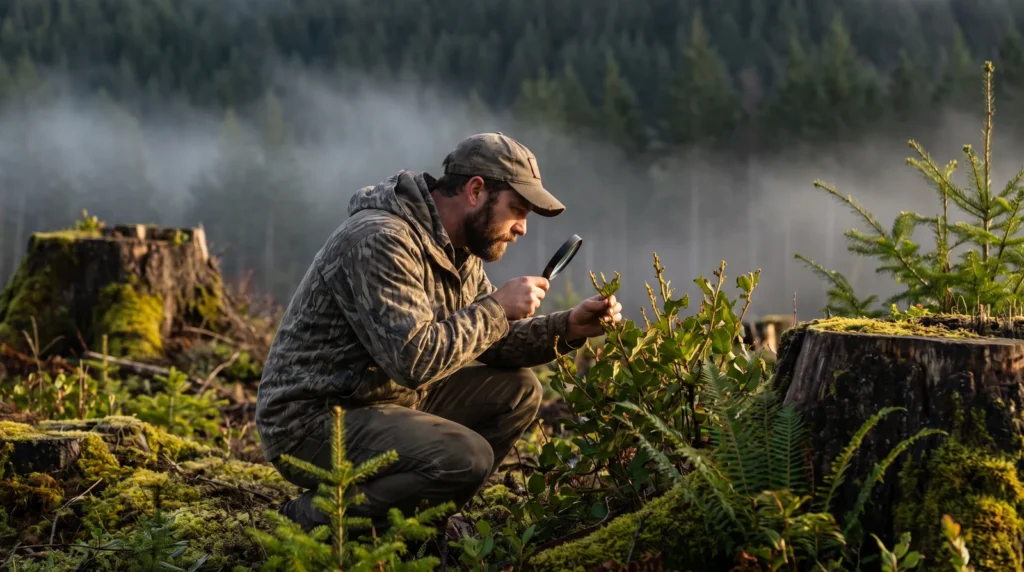
Stop scouting deer sign backwards. Learn to read stand age, seasonal browse, and feeding sign to predict where…
If you’re brand new to fishing in Oregon and just want to know where you can actually catch…

Archery season opens August 29. Here's what peer-reviewed research and Oregon's own Starkey Project actually show about temperature,…